
HR Insights News
The VMA News Letter
The 3 HR News Every Leader Needs to Know This Week
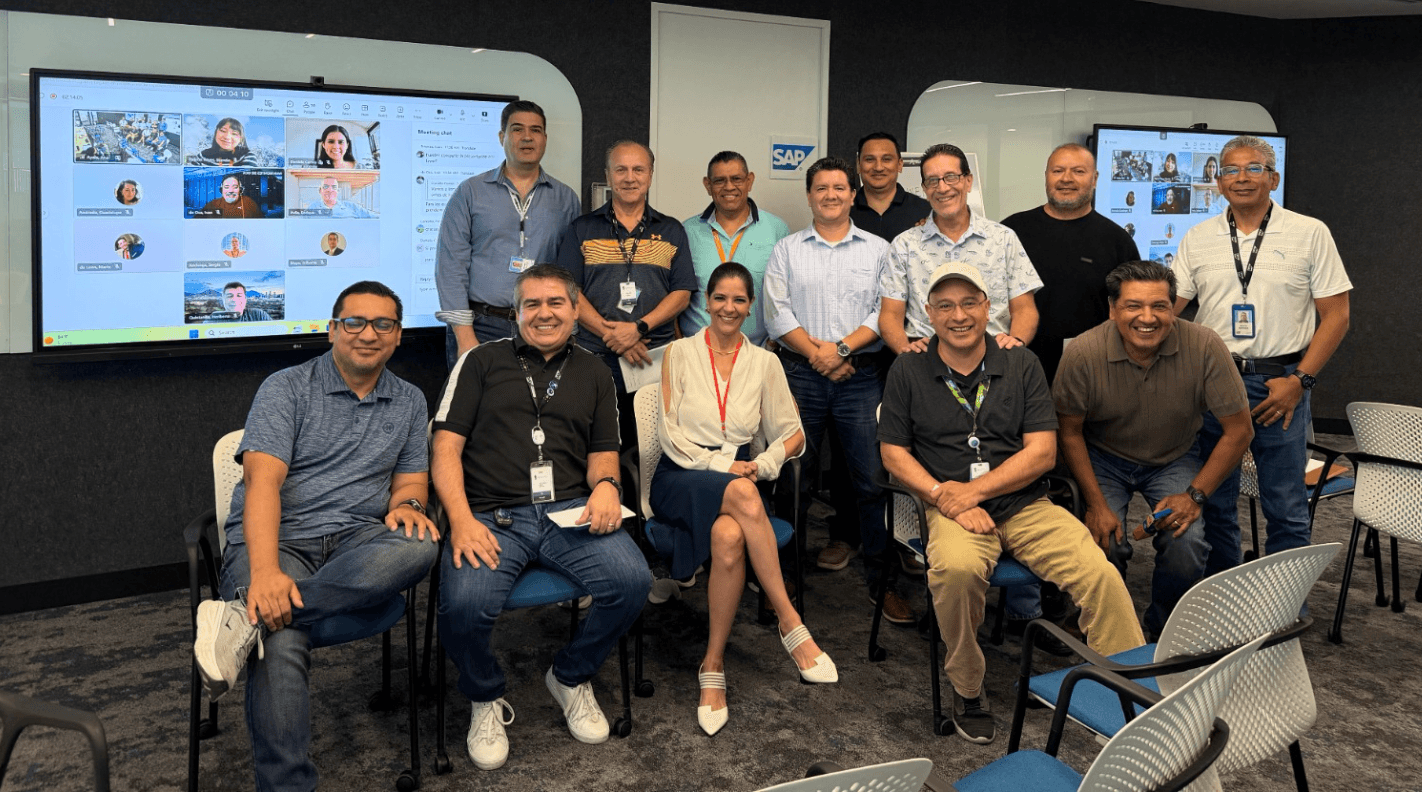
Workshop Senior SAP 2026 - VMA
Top Corporate Retreat Trends Reshaping Workplace Culture
Corporate retreats are no longer just social getaways or passive policy review sessions; they have evolved into strategic tools aimed at strengthening workplace culture, boosting retention, and restoring connection among hybrid and distributed teams. Citing data from Gallup, the article highlights that highly engaged teams experience up to 51% lower turnover, making intentional gatherings a high-ROI investment for corporate leadership.
Key Trends Shaping Corporate Retreats:
Purpose-Driven Focus:
Retreats are aligned around distinct business goals—such as resetting culture during growth, strategic realignment, or rebuilding trust after organizational changes.
Wellness as a Core Pillar:
To combat employee burnout, wellness programming has become foundational. Activities include digital detoxes, mindfulness/meditation, nature immersion (e.g., forest bathing), and well-being coaches.
Integrated Skill Building & Leadership Development: Offsites double as growth opportunities through leadership intensives, conflict-resolution workshops, creative problem-solving labs, and innovation sprints.
Micro-Retreats for Distributed Teams:
Organizations are shifting toward shorter (1–2 nights), more frequent gatherings to maintain alignment throughout the year without the logistical strain of large annual retreats.
Sustainability & Eco-Consciousness:
Venues and programs are selected based on environmental values, incorporating zero-waste catering, eco-certified venues, carbon-offset travel, and community-based regenerative partnerships.
Immersive & Authentic Venues:
Companies are replacing generic corporate hotels with unique, place-based experiences—such as mountain lodges, farm-to-table culinary sessions, and local cultural workshops.
AI-Driven Event Planning:
Artificial intelligence handles backend planning tasks—such as agenda optimization, travel forecasting, predictive budgeting, and vendor selection—allowing planners to focus on attendee experience.
Interactive & Creative Team Building:
Traditional icebreakers are replaced with modern, engaging activities like cooking competitions, strategy challenges, improv sessions, and charity-driven builds.
Modern corporate retreats blend wellness, localized experiences, technology, and continuous learning to foster trust, innovation, and long-term retention. Organizations that invest intentionally in these gatherings create stronger social ties and healthier, more aligned workplace cultures.
The Hidden Cost of AI Anxiety

Goethe, H. (2026, 3 de marzo). The Hidden Cost of AI Anxiety: What HR Leaders Need to Know About This Workplace Stressor [Ilustración]. Spring Health Blog.
As AI adoption accelerates across industries, corporate focus has largely centered on productivity and efficiency gains. However, this transition has introduced a distinct psychological challenge: AI anxiety. Unlike employee burnout—which stems from chronic workload stress—AI anxiety is an anticipatory stress reaction driven by uncertainty over job security, skill obsolescence, cognitive overload, and future stability.
Based on a survey of over 1,500 full-time employees across five countries, the integration of AI over the past 12 months has caused:
Hidden Business Cost
Failure to address AI anxiety results in hidden organizational costs that undermine AI adoption goals:
Presenteeism: Employees remain at work but are mentally distracted by uncertainty.
Increased Mental Health Leaves: Compounded stress escalates into leave requests and disability claims.
Manager Strain: Frontline managers face pressure trying to navigate employee concerns without clear guidance.
Retention & Trust Risks: High performers leave for organizations offering greater clarity, while silence from leadership erodes workplace trust.
Strategic Framework for HR Leaders
Leverage Transparency as a Mental Health Intervention: Clearly define AI use cases—distinguishing between role augmentation and role replacement—and outline clear reskilling timelines.
Curate Tool Rollouts: Sequence tech changes deliberately and offer structured, paced learning pathways rather than overwhelming employees with simultaneous updates.
Rebuild Employee Agency: Provide clear skill roadmaps, highlight internal mobility pathways, and offer mental health coaching to navigate career transitions.
Normalize Adaptation Stress: Reframe discomfort as a standard human response to rapid operational change, train managers in empathetic leadership, and provide access to behavioral health support.
An AI implementation strategy without an accompanying mental health and human-centric strategy risks destabilizing the workforce. Organizations that pair AI adoption with transparency, structured upskilling, and psychological support will be best positioned to achieve sustainable efficiency and long-term talent retention.
Global Wellness Institute Workplace Wellbeing Initiative Trends
Workplace wellbeing is undergoing a fundamental structural evolution. Driven by converging macro forces—including AI acceleration, economic volatility, demographic shifts, and work intensification—leading organizations are moving away from isolated, voluntary wellness perks (such as gym stipends or wellness apps) toward systemic enterprise architecture.
In 2026, employee wellbeing is no longer viewed as a soft HR benefit, but as a critical determinant of sustained performance, operational risk mitigation, and corporate resilience. Leading companies are embedding human health directly into operating models, workflow design, leadership development, and performance management systems.
Systemic Organizational Health Over Individual Perks
From Perks to Infrastructure: Rather than relying on individual wellness programs, companies are integrating wellbeing into enterprise infrastructure, governance, and operating systems.
Workflow & Workload Redesign: Unmanageable workloads, rigid cultures, and intense productivity pressures are identified as key drivers of stress. Organizations are proactively redesigning daily workflows, scheduling, and team expectations to build sustainable performance.
Psychological Safety and AI-Era Mental Health
AI-Driven Uncertainty as a Health Variable:
Rapid AI adoption, constant technological change, and fear of skill obsolescence are treated as recognized psychosocial risks rather than personal flaws.
Empathetic & Managerial Leadership:
Managers are receiving specialized training in emotional intelligence and psychological safety to foster workplace trust and help teams navigate cognitive overload without escalating turnover or burnout.
Built Environment and Biophilic Design
Workspaces are adding indoor plants, natural lighting, high-grade air filtration, and ergonomic setups to boost physical vitality.
Holistic and Preventative Health Solutions
Addressing Extended Careers:
Advances in neuroscience and aging research demonstrate that brain health, musculoskeletal strength, metabolic regulation, and stress resilience are essential for maintaining productivity across extended career spans.
Lifestyle Medicine Integration: Employers are applying Lifestyle Medicine frameworks to address shared physiological drivers of chronic disease and cognitive health at a systems level.
Menopause & Life Transition Support:
Support for midlife transitions—such as menopause—has evolved from an overlooked issue into a core business priority. Leading organizations provide flexible schedules during symptom flare-ups, manager training, cooling and ergonomic workspace adaptations, and peer support networks to protect institutional knowledge and executive talent continuity.
Measurement, Data Integrity, and ROI
Beyond Participation Metrics: Organizations are shifting away from tracking surface-level participation rates. Instead, they track health and productivity outcomes tied to business metrics such as retention, absenteeism, and healthcare expenditure reductions.
Alignment with Global Standards:
Wellbeing frameworks are increasingly aligned with global governance standards, such as ISO specifications for Psychological Health and Safety at Work and European Corporate Sustainability Reporting Directive (CSRD) guidelines.
Financial Wellness as a Mental Health Pillar
Systemic Economic Support: Financial strain caused by economic instability and inflation is recognized as a primary driver of employee stress.
Rethinking Compensation & Resources:
Companies are embedding financial coaching, emergency assistance, and transparent compensation frameworks into their core benefits architecture to restore long-term employee security.
The defining theme for workplace wellbeing is enterprise integration. To build workforce resilience and sustain productivity in a complex global economy, executive leadership must treat workforce health as a core business strategy—redesigning work, equipping middle management, and measuring health outcomes with the same rigor applied to financial performance.


